Live to Learn

For this project, I was required to commit to a topic and learn as much as I could about it. I opted to practice Pranayama daily for a month and journal about my experience. Although I won’t be typing out my entries here I will give you some tidbits from my personal experience with different breath work practices.

As part of my preparation I read several books on the topic: BKS Iyegar’s ‘Light on Pranayama’, James Nestor’s ‘Breath’, Andrew Smart & Eric Nyquist’s ‘Breathwork’, and Nathalia Westmacott-Brown’s ‘Breathwork’.

My favourite being Breath by James Nestor. I posted a tiny bit about in on my instagram account in February and wouldn't shut up about the book to anyone willing to listen. Possibly one of the most interesting facts from the book is that our noses have erectile tissue in them that gets engorged when sexually stimulated; aka the inside of your nose gets an erection!

He goes over such interesting studies including carbon dioxide therapy. The benefits are extraordinary and basically it’s a fast-tract to experiencing the positive side effects of hypoventilation without having to spend tons of time training your lungs to breath-hold for 30 second stretches of time. This therapy can significantly reduce depression and anxiety levels.

In the book, Mr. Nestor also notes that the optimal regular breathing pattern is a 5.5 second inhale followed by a 5.5 second exhale on continuous repeat.

These were the main takeaways from this book:

  1. Breathe through your nose – shut your mouth!
  2. Less is more – breathe just breathe less
  3. Chew
  4. Exhale
  5. Breathe more on occasion
  6. Hold your breath!
  7. How we breathe matters

He explains several different breathing practices including: Nadi Shodhana (Alternate Nostril Breathing), breathing coordination, resonant (coherent) breathing, Buteyko breathing (hypoventilation), Tummo (the Wim Hof method), and Sudarshan Kriya.

I had never thought about breathing so much as when I started researching and really diving deep into the breath. It was so fascinating to me to learn how powerful of a force the breath really is and what a profound effect it has on your overall health and well-being. I’m totally hooked and want to keep exploring. I’m currently reading James Nestor’s ‘Deep’ all about free-diving which is also phenomenal.
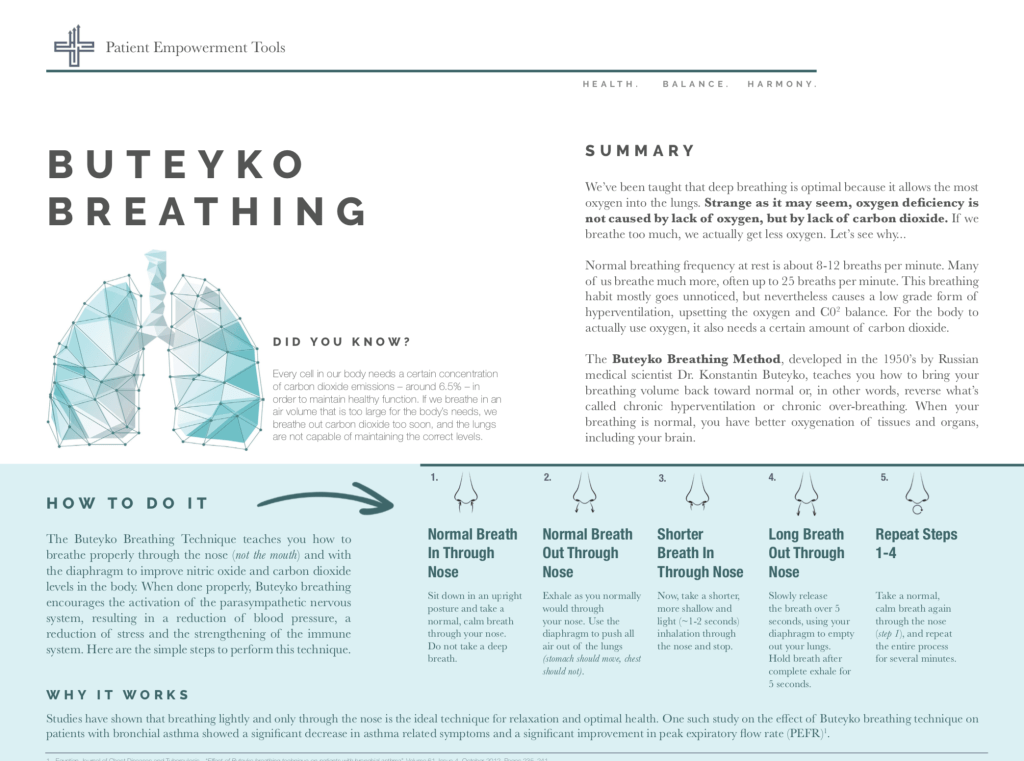
Buteyko breathing brought my mind back to my swimming days when I would take a tiny sip of air then take 2-3x my typical stroke count and would continue in that pattern for several lengths. We also used to 'train our lungs' by swimming entire lengths of the pool underwater. I used to be able to swim almost 40 meters underwater on a single breath. There's something familiar and comforting in practicing this breath work even though at times it feels like I'm suffocating or that my lungs might explode. There's a sense of coming back to my roots and it has been the type of breath work that has caught my attention the most.
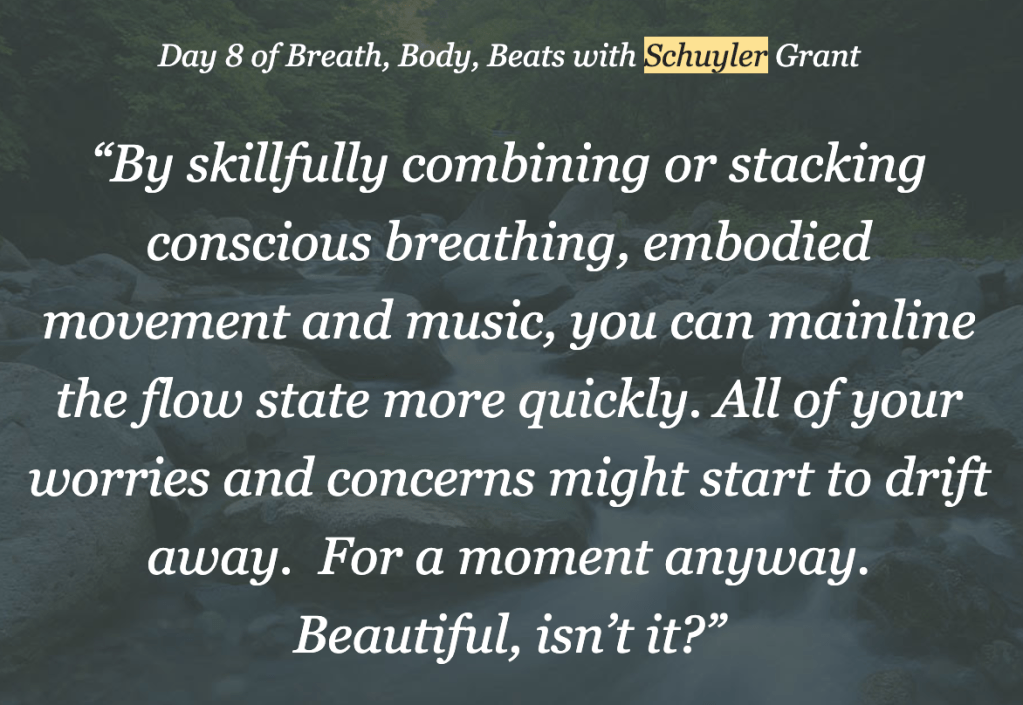
I explored how to use resonant breathing to achieve a flow state in January with Wanderlust's free 21 day yoga challenge. We were taught resonant breathing on day one and then practiced it throughout the 21 days that followed. It was really calming yet energizing. Wanderlust's Schuyler Grant paired the resonant breathing with specific music that helped to maintain that breath pattern through the practice. If you ever get a chance to do a resonant breathing challenge I would highly recommend it.
I have practiced Nadi Shodhana and was familiar already with alternate nostril breathing but I did find it sometimes made my head feel funny after practicing for several minutes. This is meant to be calming and typically is as it forces you to breath less and slower. 
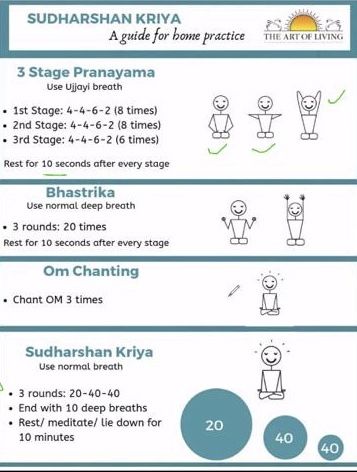
On August 13 I attended a virtual workshop on Sudarshan Kriya through the Art of Living foundation. I honestly found it to be a waste of time and a money grab which is really unfortunate. They only went through Bhastrika and a short meditation. They didn't do the 3 stage pranayama, Om chanting or Sudharshan kriya which is what I was expecting them to offer. At the end they sent me into a break off room with an employee or volunteer who tried getting me to sign up for a weekend workshop. She was so pushy it was really uncomfortable and I was not prepared for this. I honestly wish I had just searched Sudharshan Kriya on YouTube. I will say that Bhastrika breathing is really energizing and grounding. I had practiced it during a meditation class I attended in past and it was really enjoyable. 
Tummo is next on my list to try, I have a few friends who want to practice this method while in a cold plunge bath. I am tempted but don’t want to run the risk of passing out and subsequently drowning since I don’t own a plunge tub. Check out this video to learn a little bit more on the topic.
I initially began reading this book. BKS Iyengar is a legend in the yoga world and is highly respected as a knowledgeable authority. That being said, I couldn't for the life of me get into this book. I found all the scientific jargon confusing. It definitely is an informative book and I am glad that I read it. It just wasn't my favourite for the fact that it wasn't simple enough to read. I occasionally tried some breathing exercises from here but preferred to use other resources that I found easier to digest.  
I am really enjoying this book as a quick directory where I can look up exactly what symptom or situation I'm experiencing and get a tailored breath work exercise to use in that moment. It's simple and to the point. If you're looking for practical breathing exercises broken down in steps this is the book for you. I also appreciate the beautiful drawn images throughout. 
This book outlines the steps for things like Holotropic Breathwork, Zen, Pranayama (Box breathing, alternate nostril breathing, lion breath), three-part-breath, Wim Hof Method, Kundalini and running breath. It is sorted based on technique but the initial page for each technique explains when it's useful to practice and who needs it as well as a quick summary of what it is. I really enjoy this as a reference book. It's a lot more text than the other breathwork book listed above. 

Honestly, I feel like I have just barely touched the tip of the iceberg. I think I would like to do more guided breath work courses in the future. It is absolutely remarkable how impactful the breath truly is on your body and mind. I’ve noticed more calm, clarity, productivity and more distance between stimulus and response over the course of this month. I’m excited to see what other benefits come from this daily pranayama practice.
I’m curious to hear, what are your favourite resources related to pranayama?

xoxo
Yoga Mama
Themes in Modern Yoga

Modern yoga is constantly evolving. It is wonderful to witness growth and change, and it also brings up complex, multi-faceted issues for us to navigate as yoga teachers.

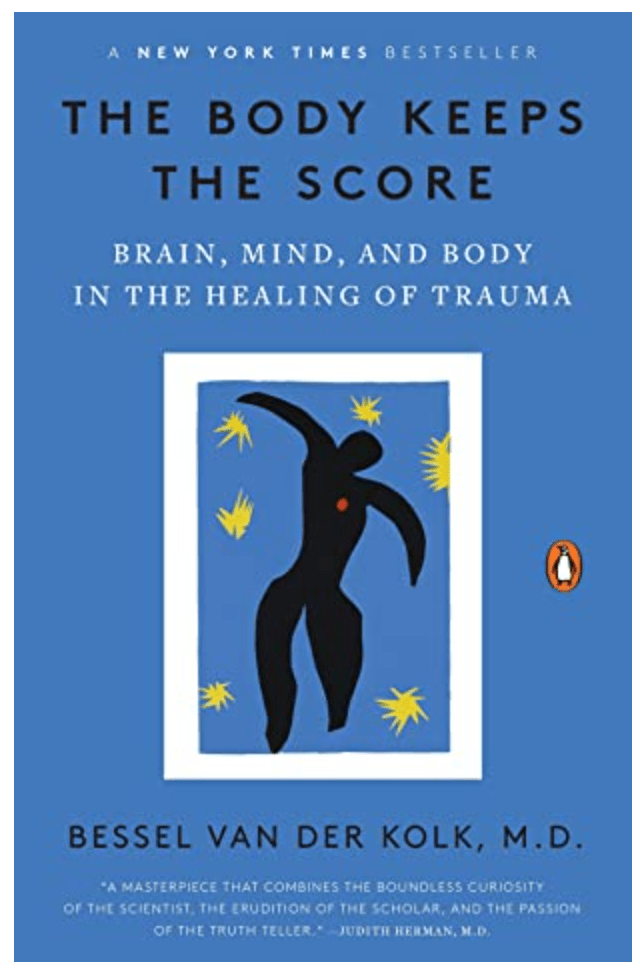
This month I decided to focus on trauma-informed yoga and I read the book “The Body Keeps the Score” by Dr. Bessel Van Der Kolk as part of my learning.

First off, wow. If you have never heard of this book, it is definitely a challenging read. I do feel that despite being a book about trauma it should really come with a trigger warning. Childhood sexual assault and other forms of abuse are depicted throughout sometimes in graphic detail. It is important to note that these anecdotes are relevant and necessary. Use discretion on whether or not you are ready to dive into this book. I personally needed to take breaks while reading. I found the parts on veterans to be okay and I read 100 pages in a couple of hours but when it started getting heavy into rape I needed to step back. I only read small chunks at a time and took an additional week to read the remaining 260 pages.

A huge take away for me is that we need to really honour where people are at in our classes. Being mindful to recognize that some people may be starting at a place where they cannot feel anything and thus could greatly benefit from body awareness and tuning into physical sensations as they come up in poses; whereas, other people might be hyper-aware of their body and may get easily hijaked by their sensations and emotions so it’s important to provide an anchor as well as safe alternatives (for instance ‘Happy baby’ pose can be really triggering for someone who was molested as the pelvis is quite open so maybe a simple reminder that closed leg child pose is always available). Being sensitive to each persons’ needs and reminding people to go at their own pace and to pay attention to where they are at today versus making students feel like they have to do exactly what you cue. Developing a sense of safety is vital. Many people with trauma histories may not feel safe anywhere, and so allowing them to discover the safety in their own body can have profound effects on their overall well-being.

The book explained how, for PTSD, yoga is often more effective at diminishing symptoms and increasing quality of life than medications. But throughout, Van der Kolk really focuses on “too much too fast” and how when you push too far too soon you wind up losing the person. It really sounds to me like each yoga practitioner should be trained in a trauma specific modality for yoga instruction as there is a significant need for trauma-informed practitioners.

I can see the implications this has on my elementary classroom as well as on my yoga students. Teaching people how to feel their emotions and learn how to respond rather than react, learn what it is that they need in that moment and how they are a safe person to deliver what they need to themselves is so incredibly powerful and transformative.

The studios I practice at either don’t use any touch or they use consent chips where you get to state whether or not you would like to have manual adjustments by your instructor. I believe that is one step in the right direction. I don’t believe that many yoga programs have enough focus on trauma specific practice. And, given the percentage of individuals in North America living with trauma histories, this seems grossly negligent.

Did your training program offer trauma sensitive instruction?

Does your studio adopt practices that are trauma-informed?

What are your thoughts on the yoga community’s role in furthering trauma or in healing trauma?

Be Peace

Modo’s “Be Peace” pillar is to offer our practice to the benefit of all beings everywhere.

In this project the goal is to slow down, explore your internal landscape, notice your breath, practice settling into stillness. The prompt was to choose a topic that allows you to explore a side of peacefulness you haven’t experienced yet.

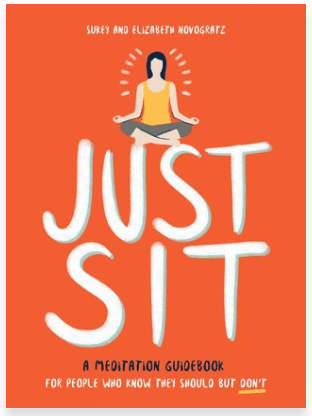
I chose to begin a daily meditation practice. I began with 3 minutes a day on December 1st and have slowly been increasing by one minute per week for the month. To nourish this practice I read the book Just Sit: A meditation guide for people who know they should but don’t by Sukey & Elizabeth Novogratz.

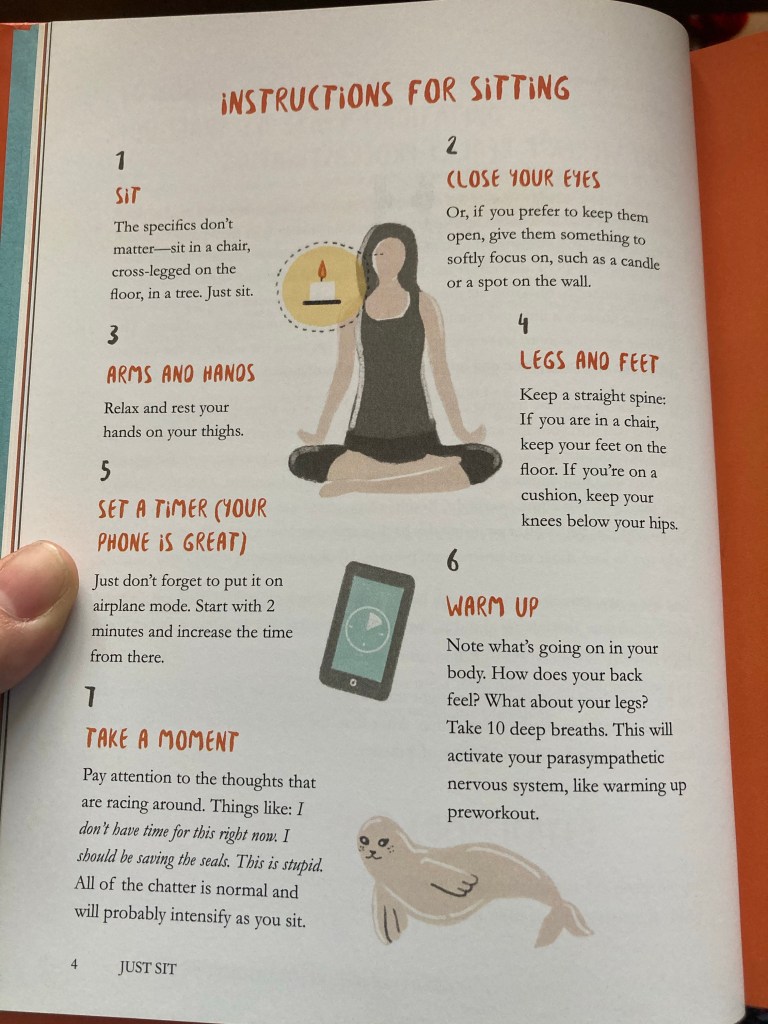
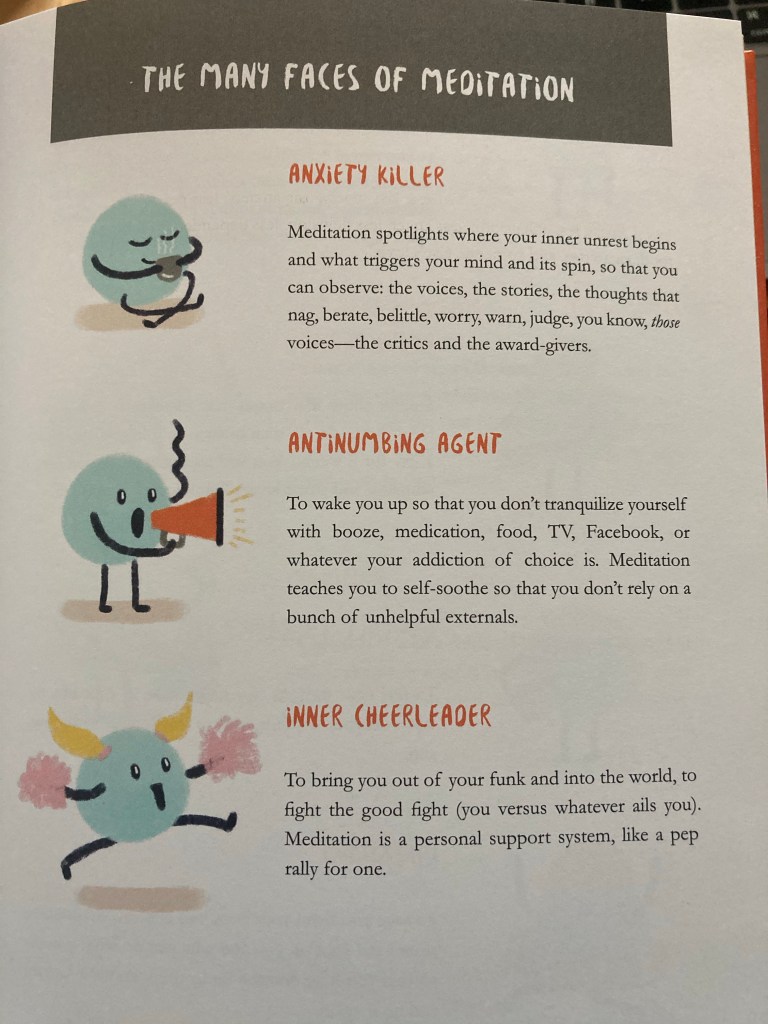
I would 10/10 recommend this book for anyone looking to start a meditation practice but who isn’t sure where to start. Here are some excerpts from the book that I found super useful myself. I hope it helps you get on your ass too.

I've noticed a huge shift in my ability to fall asleep thanks to my consistent meditation practice. I no longer need to take melatonin or watch videos/tv in order to get some shut eye. I've also noticed that I take a pause to breathe now before responding in uncomfortable situations. It's interesting because I honestly feel like each time I sit I can't concentrate and my mind is racing with a million thoughts and yet once my timer goes off I feel so much calmer. It's incredible what a few minutes of purposeful sitting/breathing can do. If you haven't already, go look up the Vagus Nerve, you'll understand why meditation is so functional in settling the body and mind.

There is no right or wrong way to meditate so really what’s your excuse? You sit multiple times a day in order to commute to work, to watch TV, to scroll your phone, etc. It’s really not that hard. I think Thich Nhat Hanh puts it nicely when he says “I have the impression that many of us are afraid of silence. We’re always taking in something- text, music, radio, television, or thoughts- to occupy the space. If quiet and space are so important for our happiness, why don’t we make more room for them in our lives?”

So for all of 2021 my resolution is to #committosit2021. If you would like to join me in the month of January, I am following along with free meditations from Love My Mat, you can sign up here –> https://view.flodesk.com/pages/5fecaff43a5df17f2467f732

With my life feeling a lot like a rollercoaster lately, I wasn’t expecting to find such an amazing anchor in meditation. I am so appreciative to have taken on this project and look forward to continuing on for the entire year. I can honestly say that my practice has allowed me to truly feel my emotions which is something I was attempting to avoid for a long time. I now appreciate the times when I feel happy or love or typically ‘positive’ feelings without clinging to them and I ride the wave when I experience sadness, anger, heartbreak and pain and recognize that they aren’t ‘negative’ emotions and they will pass within 90 seconds if I let myself feel them instead of trying to mentally combat them with thoughts about how awful they are… It’s been so interesting learning that my ears get tingly when I’m really upset and nervous about something. Knowing my body’s physical signs of each emotion is also ultimately helping me clue in faster to when I need to give myself a break before I reach a breaking point where I need tons of time to decompress and recharge. Sometimes a couple deep breaths is all I need to ground and recenter myself. What a beautifully powerful tool we have at our fingertips!

I hope you’ll consider sitting with me.

Love,
Yoga Mama